Expansion & Resistance, Lagos Nigeria
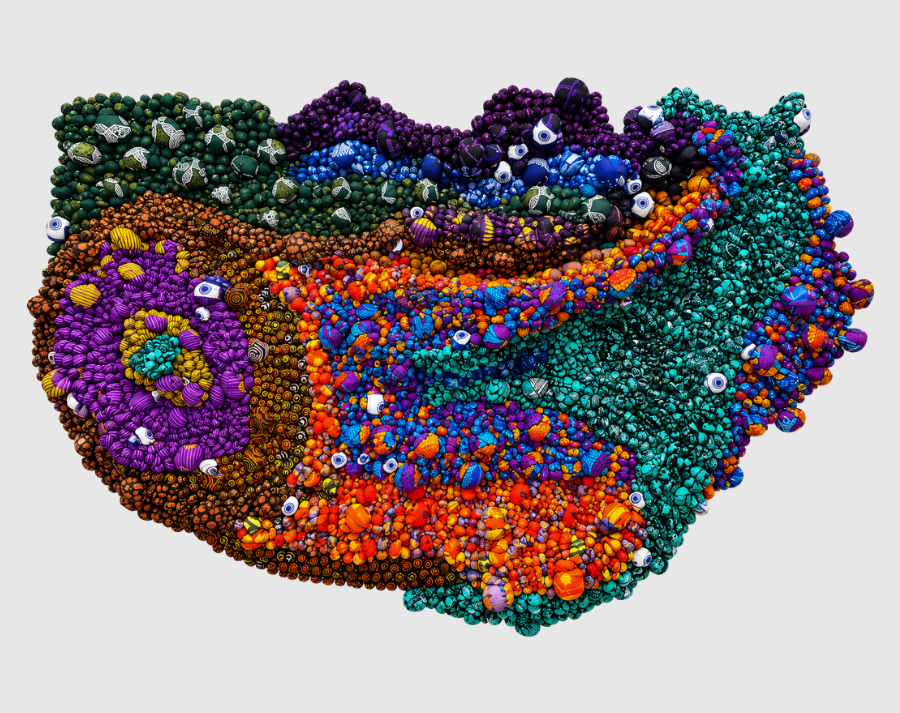
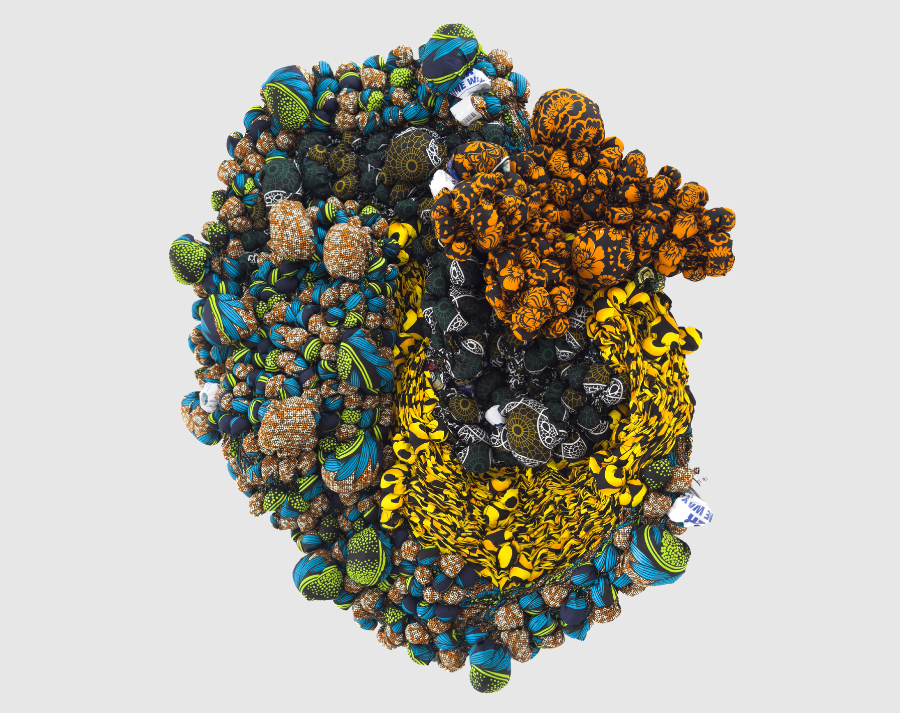
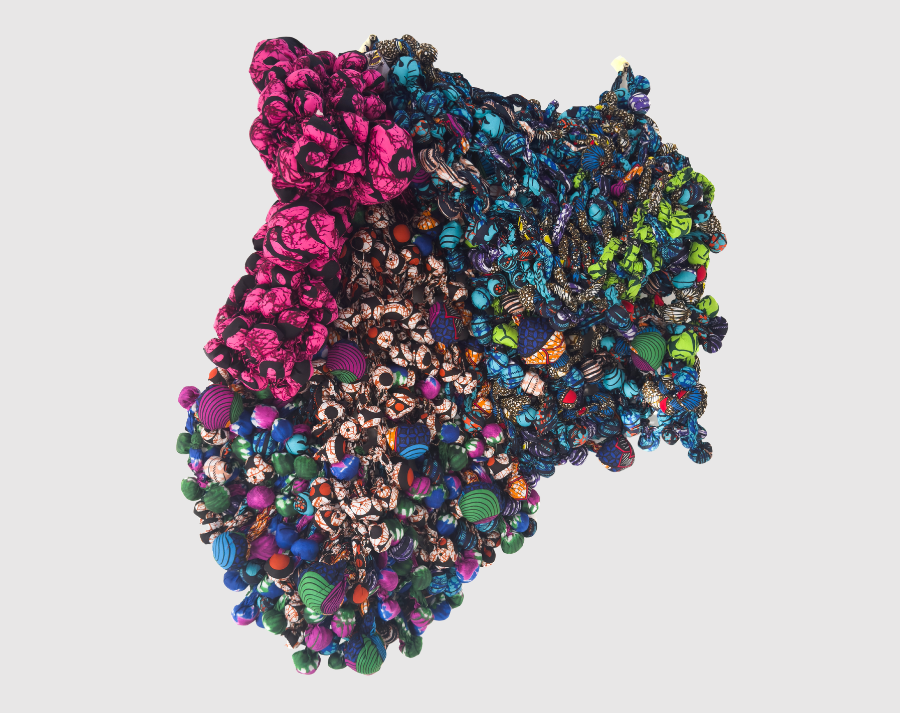
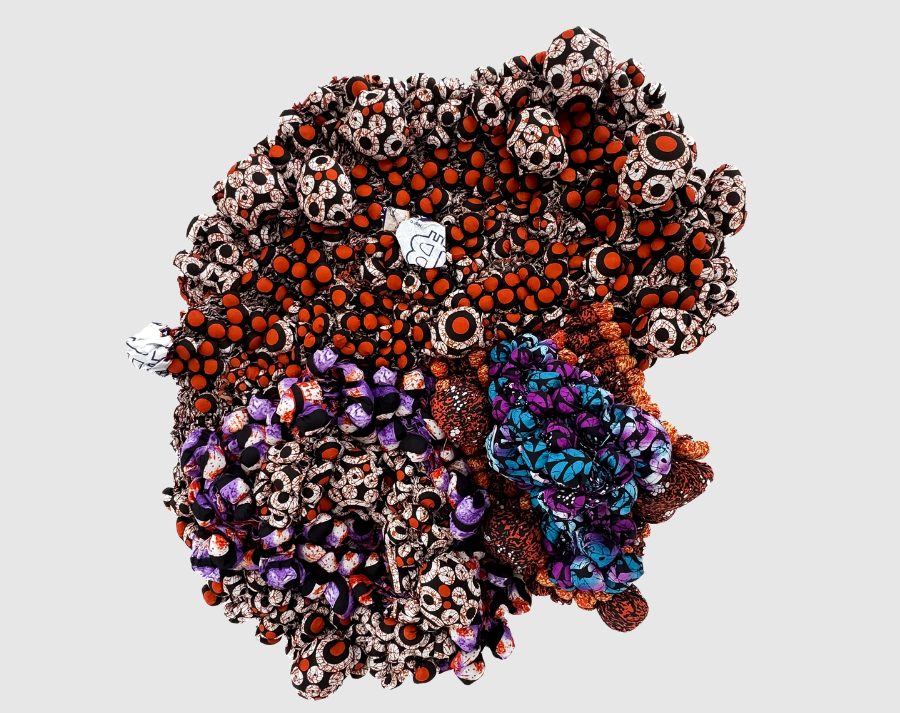
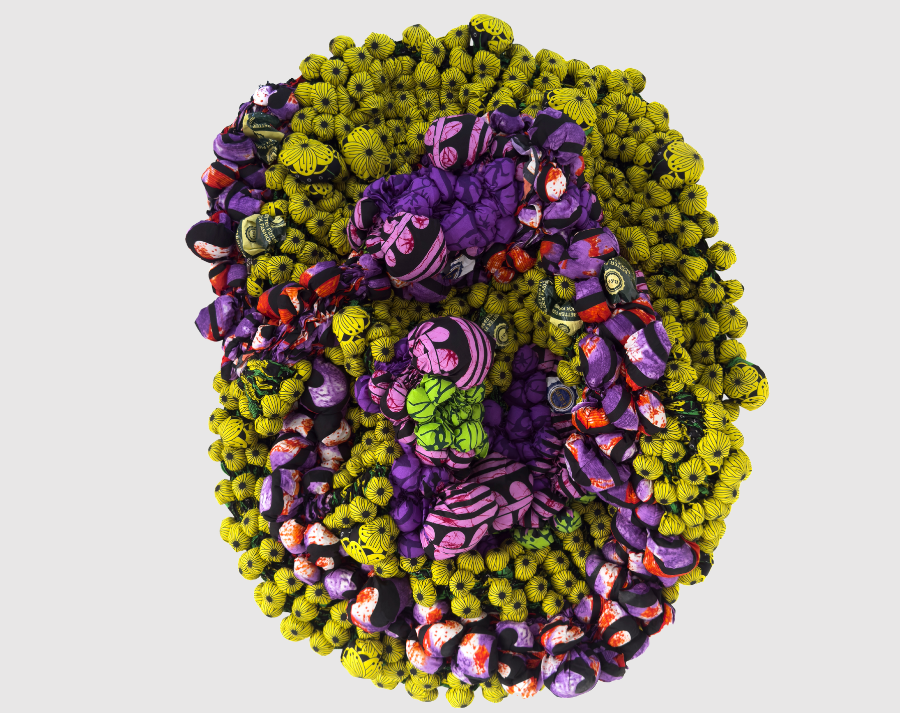
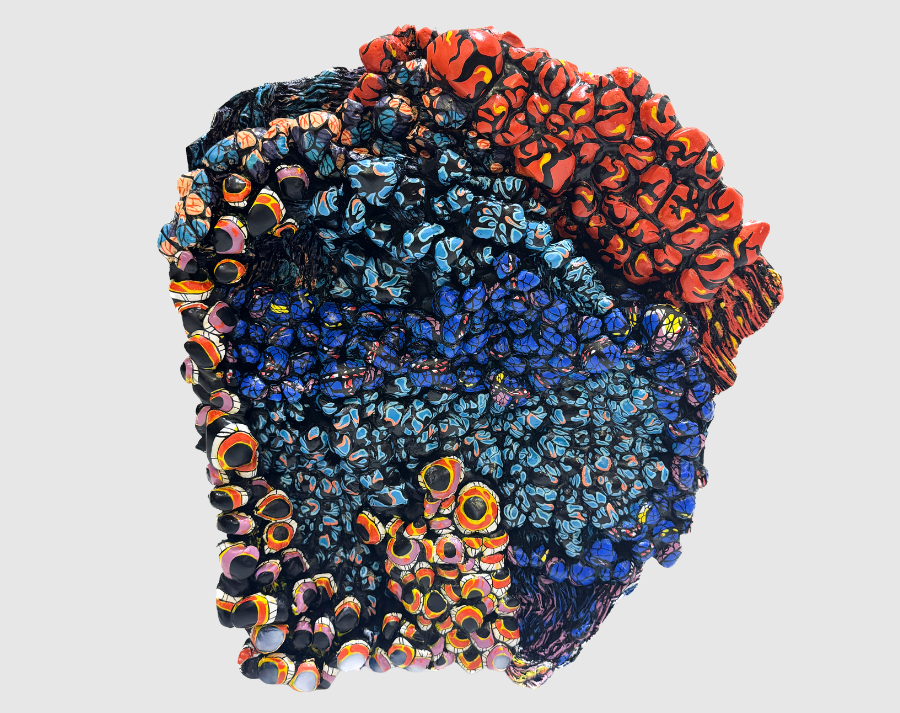
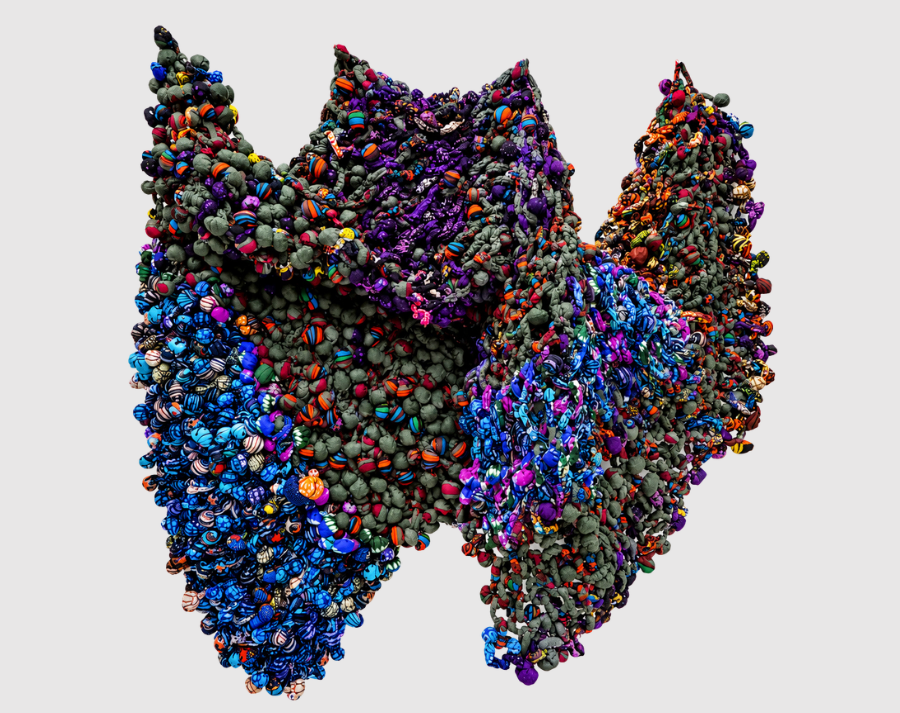
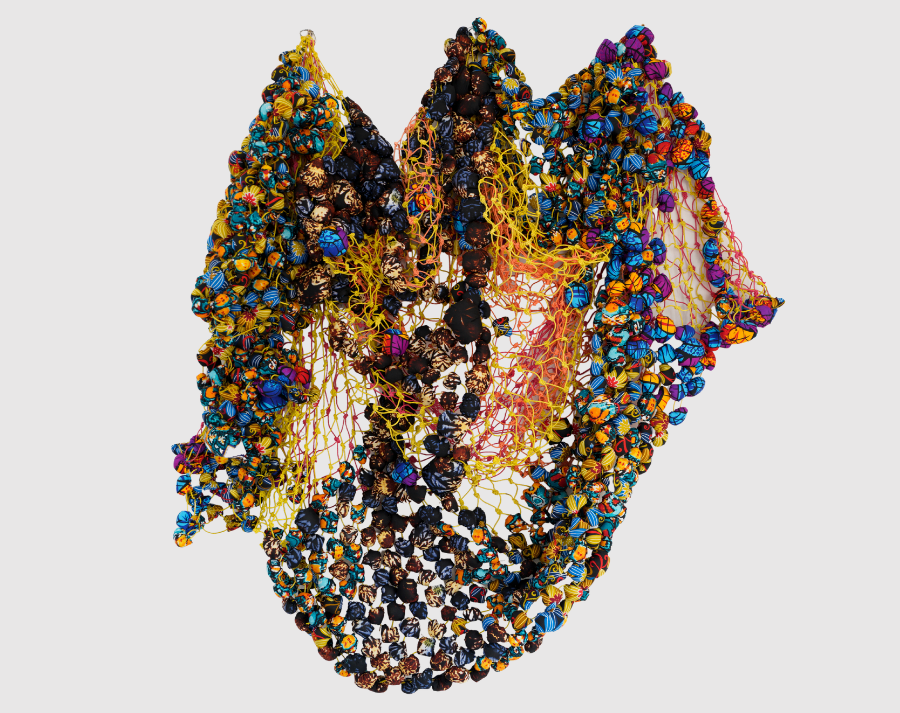
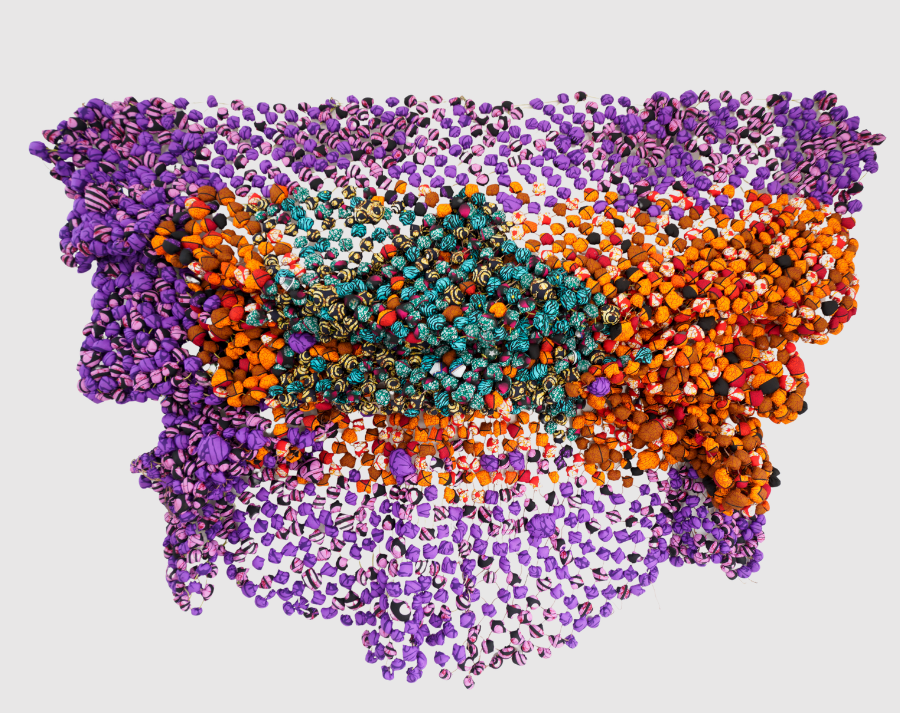
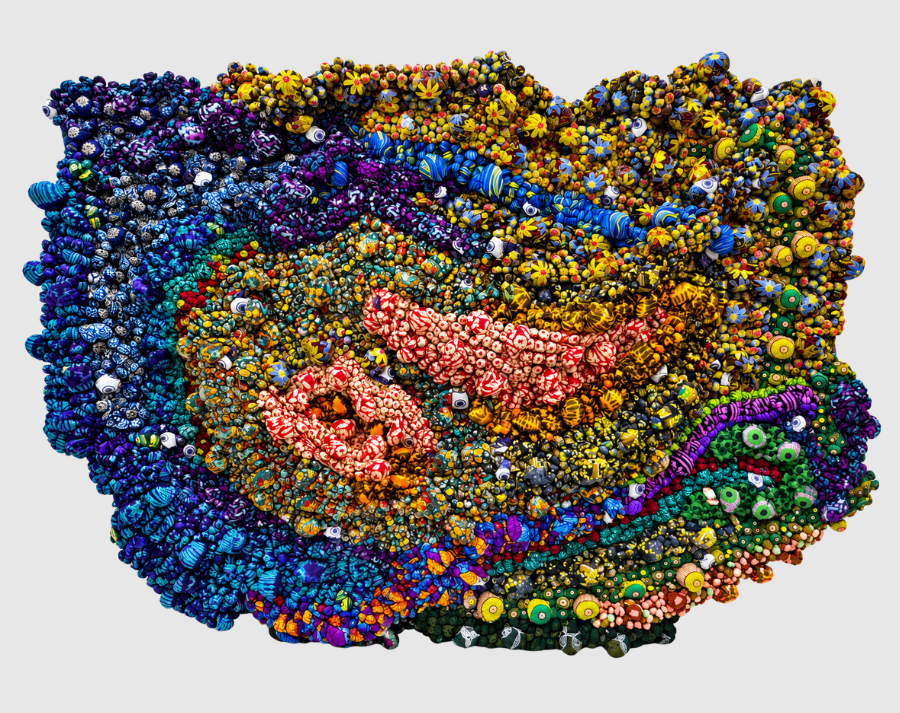
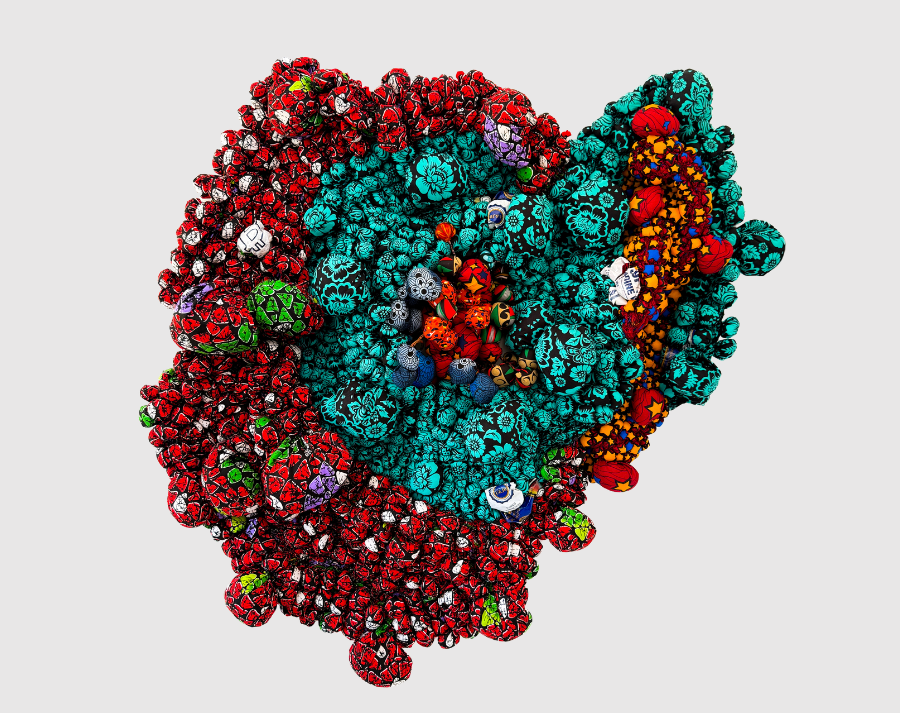
This solo exhibition features new works that continue Samuel Nnorom’s investigation into African wax print fabric as both a sculptural material and a carrier of cultural memory, complex histories, and social meaning.
...
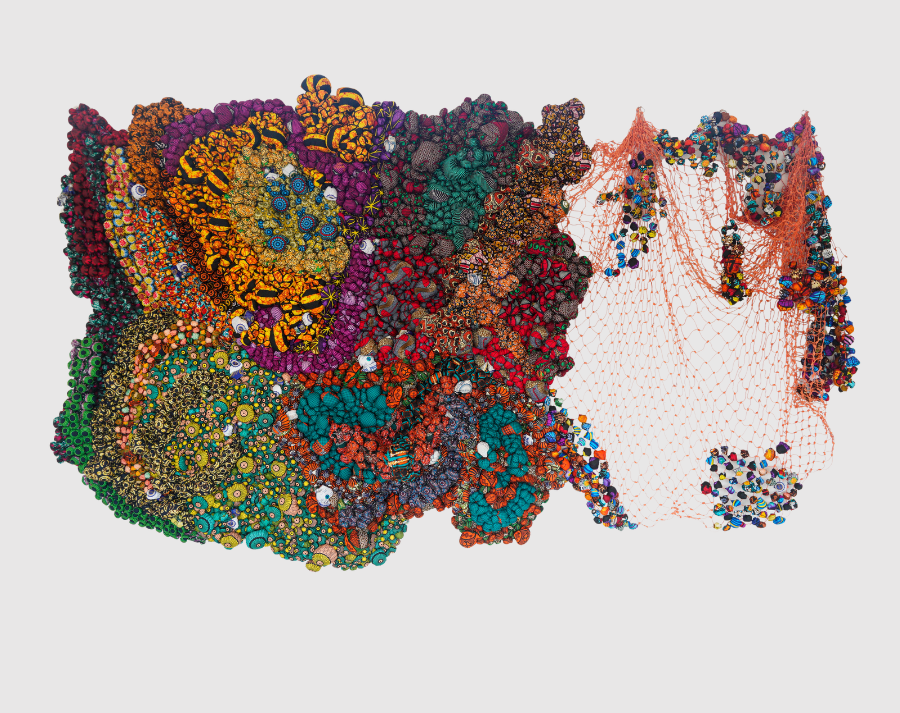
Working with discarded fabric offcuts collected from tailors, Nnorom gathers and transforms these remnants into distinctive bubble-like forms and interconnected structures. Through processes of tying, stitching, moulding and gathering, fabric is reconfigured into volumetric sculptures that move beyond conventional associations with clothing, adornment and domestic life. This reclamation of materials speaks to environmental responsibility, while also opening up broader questions about value and the possibilities inherent in that which is overlooked.
At the centre of the exhibition is an understanding of fabrication as both a material and conceptual process. The construction of these forms offers a parallel to the ways in which identities are shaped by cultural inheritance, social expectations and lived experience. Yet these structures are not presented as fixed or immutable; they are to be negotiated, reinterpreted and challenged. The works – and their titles – move between constraint and possibility, reflecting on how individuals navigate, negotiate, and resist the conditions that shape their lives.
The bubbles and nets that constitute the works evoke individual experiences and identities, while their interconnected arrangements suggest the coming together of these experiences into a shared social fabric. The forms within the works carry associations of the body, enclosure, vulnerability, accumulation and social pressure, while their capacity to expand introduces a sense of possibility, suggesting that the structures which contain and define us might also be reconfigured.
The exhibition draws historical resonance from the 1929 Ogu Umunwaanyi (Aba Women’s War), in which Igbo women mobilised against colonial taxation and political interference. Rather than seeking to reconstruct the event, Nnorom invokes it as a reference point through which to consider collective action, agency, the negotiation of power, and resistance to structures of domination.
Drawing on cultural and semiotic approaches, Nnorom engages African print fabric as a culturally charged material through which questions of gender, identity, memory, social relations and cultural continuity are brought into focus. Its patterns, colours, repetition and tactility are integral to the works’ conceptual language, informing how meaning is constructed, inherited and negotiated. The fabric is therefore more than a material to be transformed; it is a site where cultural meaning is both embedded and continually reimagined.