Borders & Other Myths, Lagos Nigeria
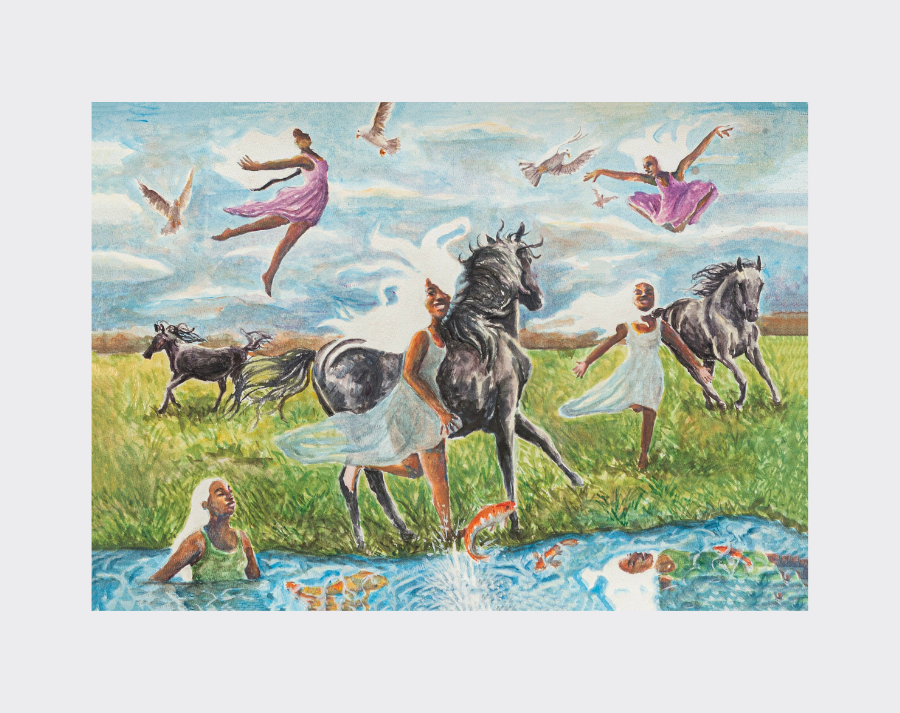
Borders & Other Myths challenges the idea of borders as fixed, natural, and permanent boundaries, presenting myth instead as a powerful tool for self-authorship. The exhibition considers how histories, identities, memories, and cultural narratives can be reclaimed, reimagined, and transformed. Bringing together the practices of Cortney Herron, Chigozie Obi, Carine Mansan, Hamed Maiye, Myles Igwe, and Ernest Amabibi, the exhibition spans painting, photography, and sculpture.
...
At its core, the exhibition examines borders within the African context as constructed lines that existed mentally, socially, and psychologically before becoming physical divisions. The modern concept of territorial borders emerged in Europe in the 1600s and was later imposed on Africa through the 1800s Berlin Conference. Yet borders have never been able to fully contain movement, memory, cultural affiliation, or relationships. The history of Bantu migration demonstrates this, revealing how populations moved across territories while maintaining complex linguistic and cultural connections.
The exhibition also examines the idea of myth. Traditionally, myth refers to culturally foundational narratives that explain origins and existence; in contemporary usage, it can also describe a widely accepted but untrue belief. In this sense, borders themselves can function as modern myths—ideas that gain authority through repetition despite being historically constructed and changeable.
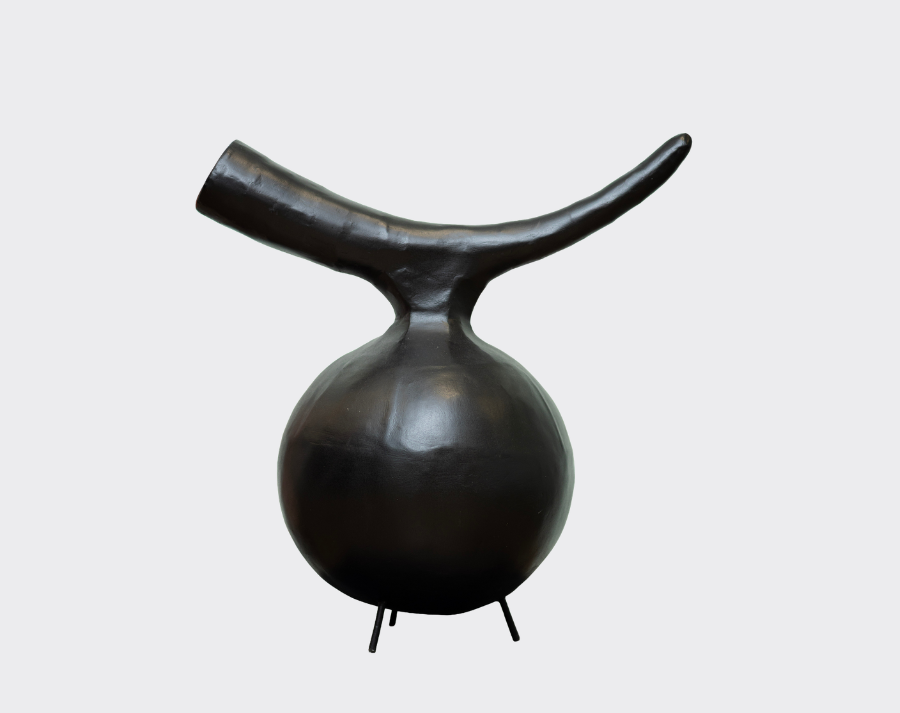
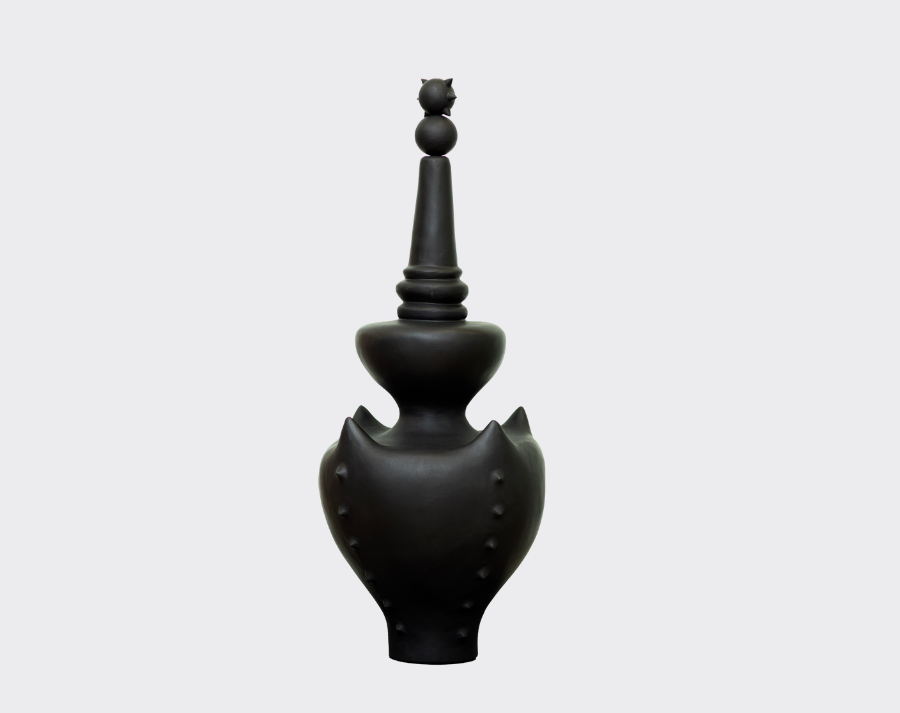
This questioning of fixed narratives extends into memory, material culture, identity, and spirituality. Myles Igwe transforms discarded materials into repositories of fragmented histories, using reconstruction to reconnect memories and relationships that have been displaced. In Ume Mmiri, traditional Igbo ironworking lineages and ceremonial forms are reinterpreted through a contemporary sculptural language, allowing the work to exist as vessel, archive, and proposition.
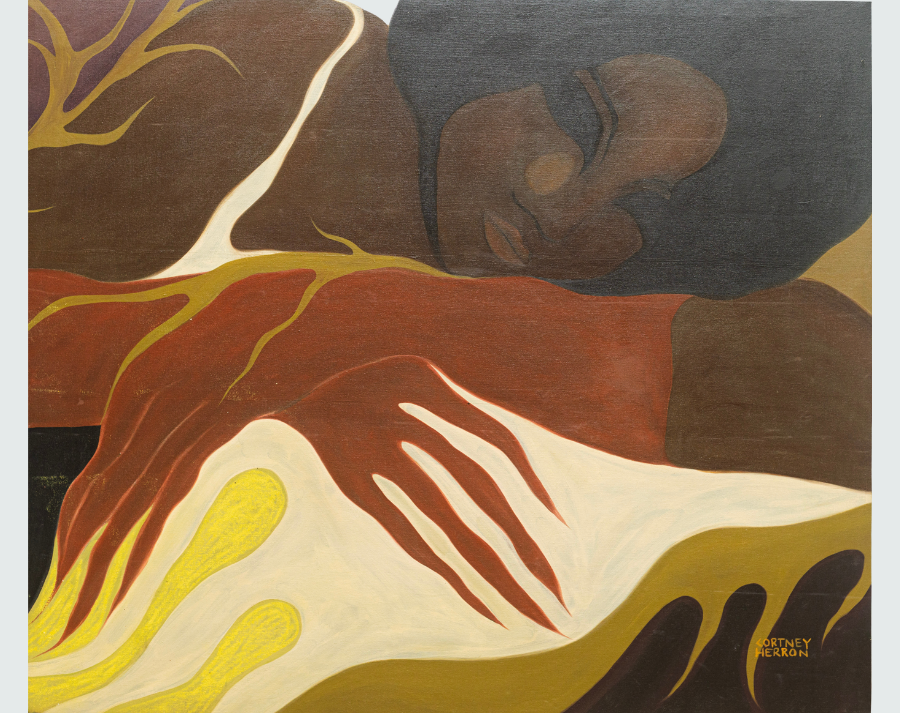
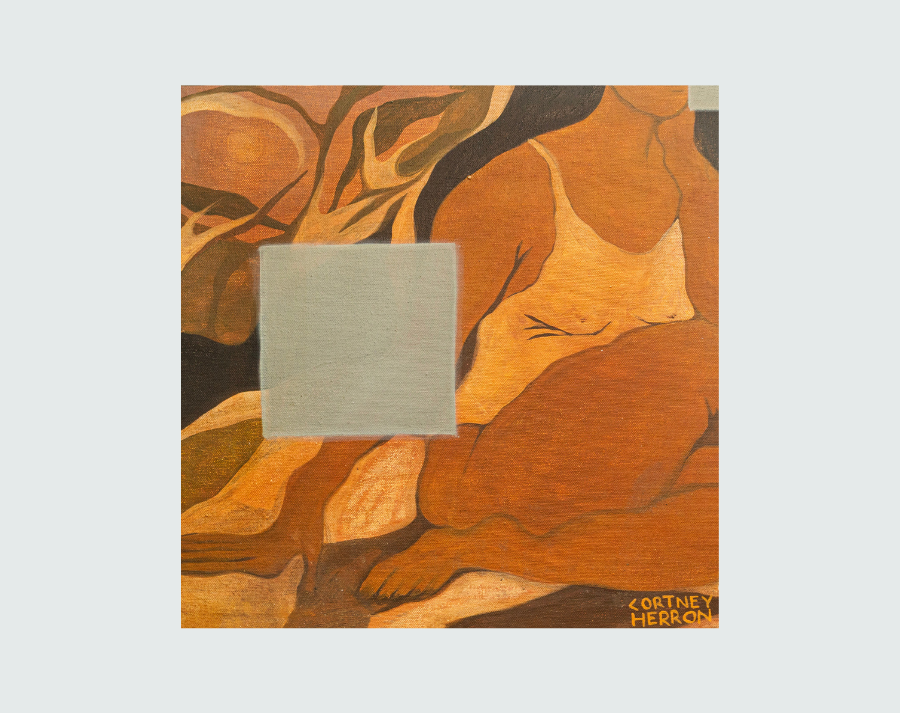
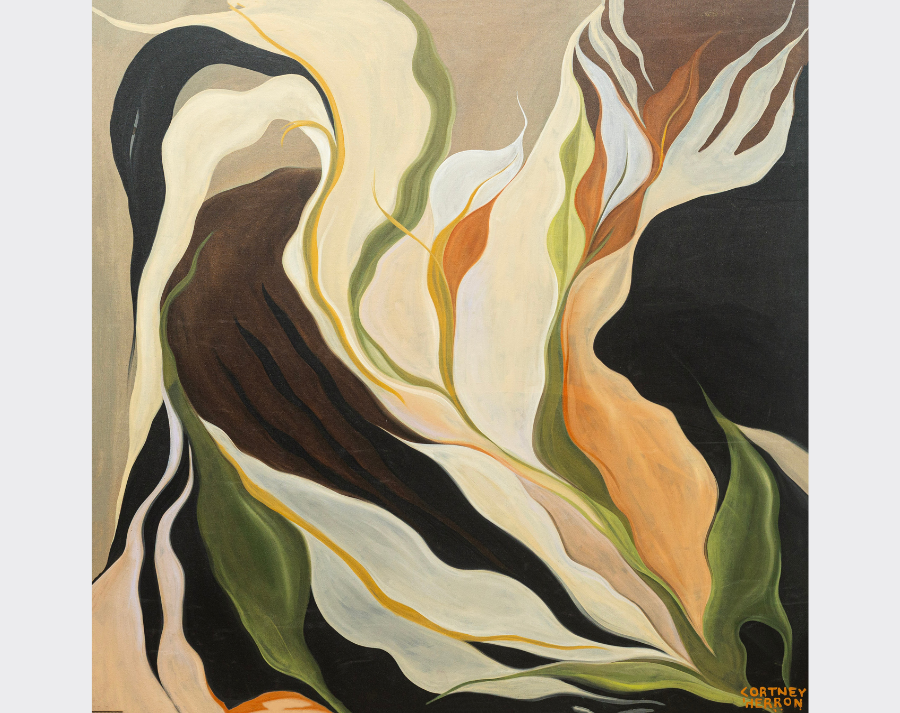
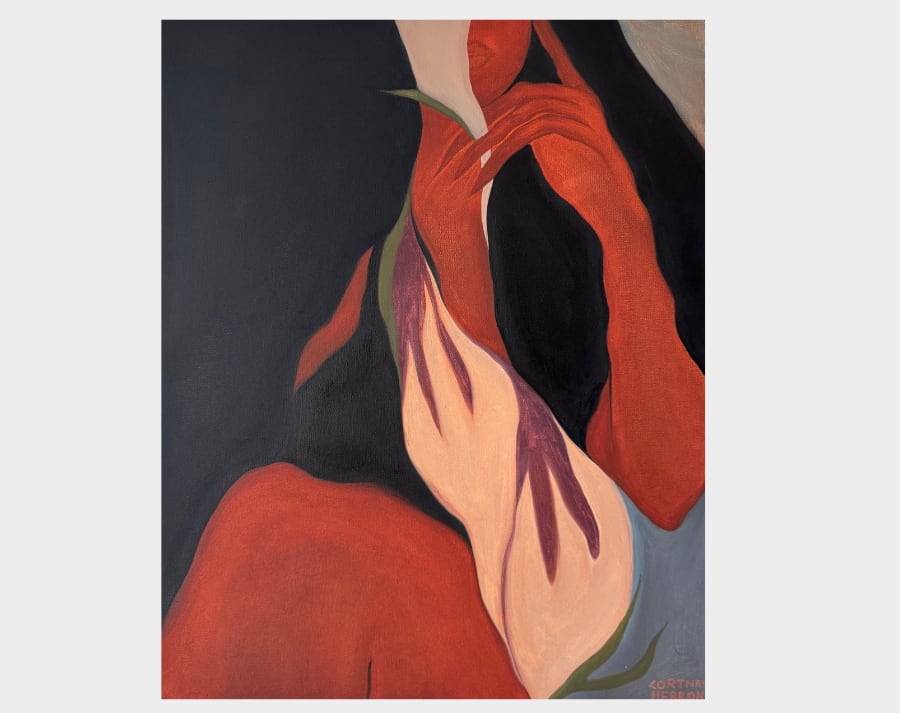
Cortney Herron finds meaning in ordinary moments, using earthy palettes and intimate scenes to explore introspection, emotional exchange, and the subtle energy between people. Her work considers how spaces can contain, absorb, or dissolve emotion.
Chigozie Obi transforms lived experience into self-mythology through portraiture. Her work brings together personal vulnerability and wider cultural contexts, presenting self-representation as an active process through which individuals can create, revise, and reclaim their stories.
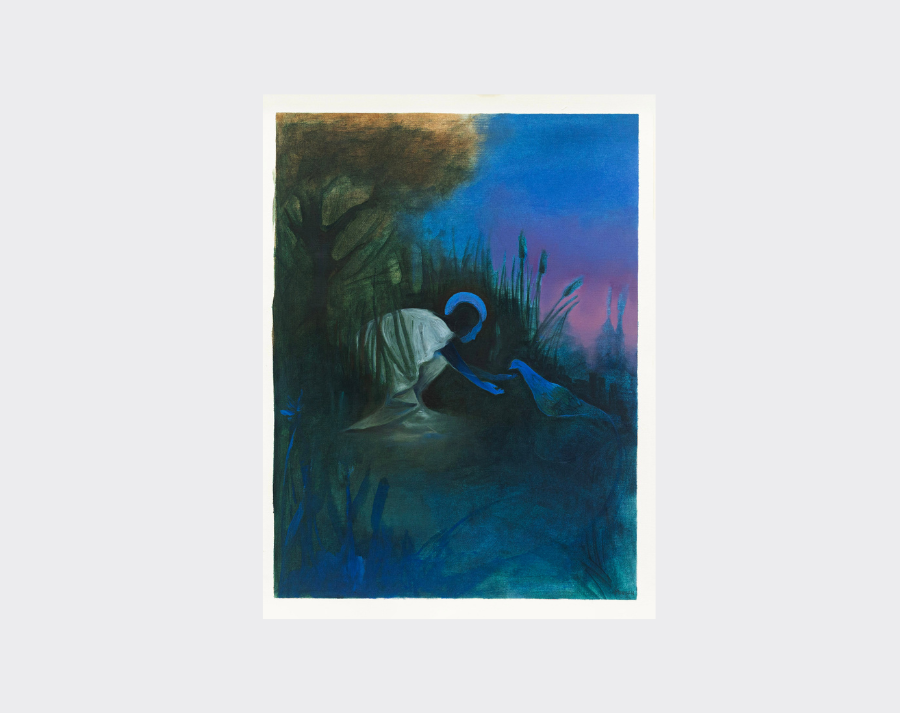
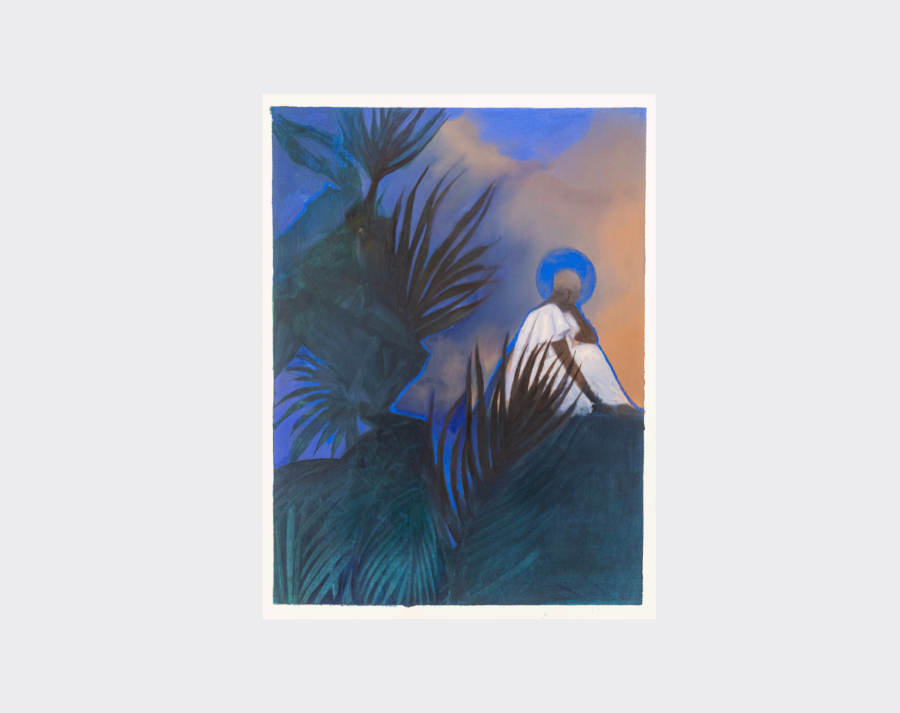
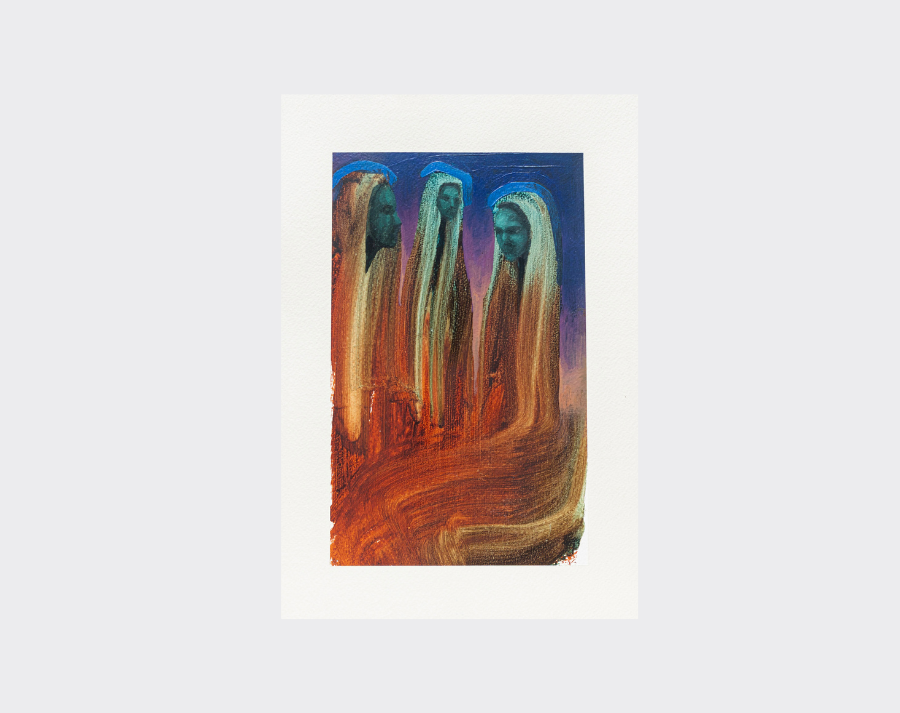
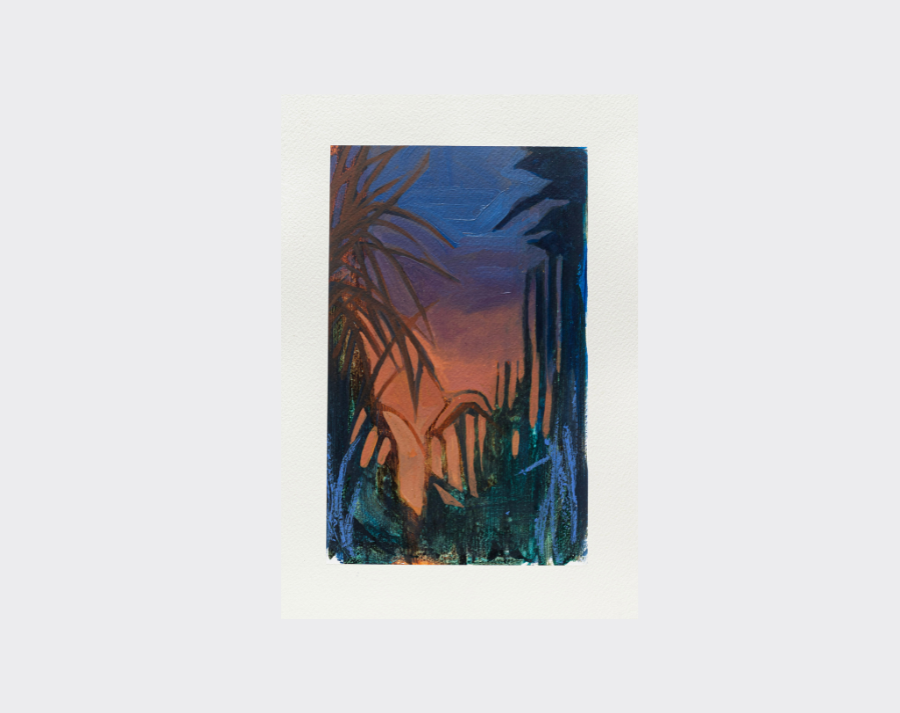
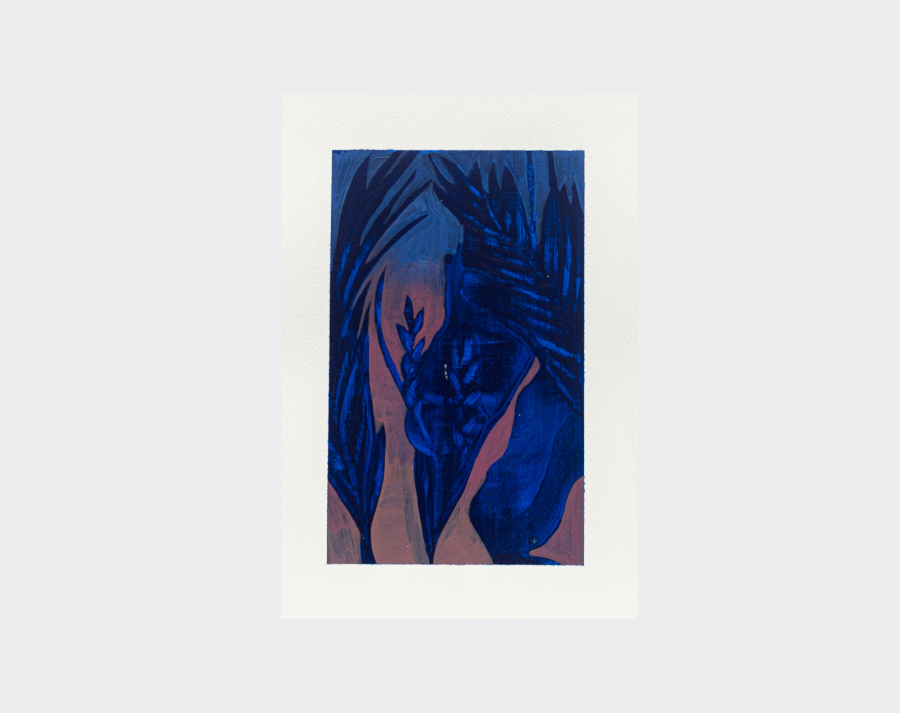
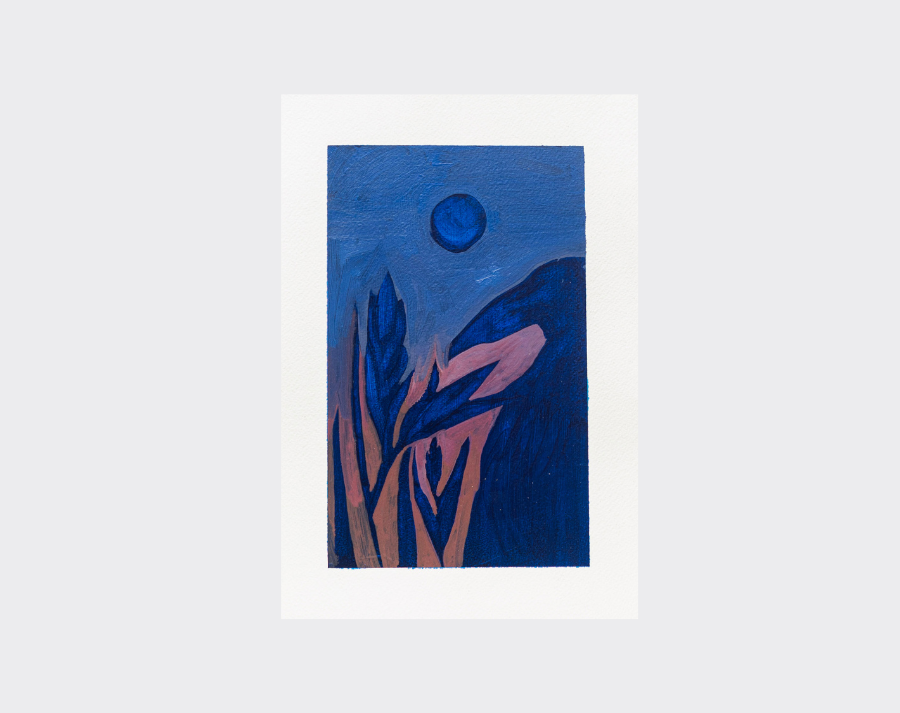
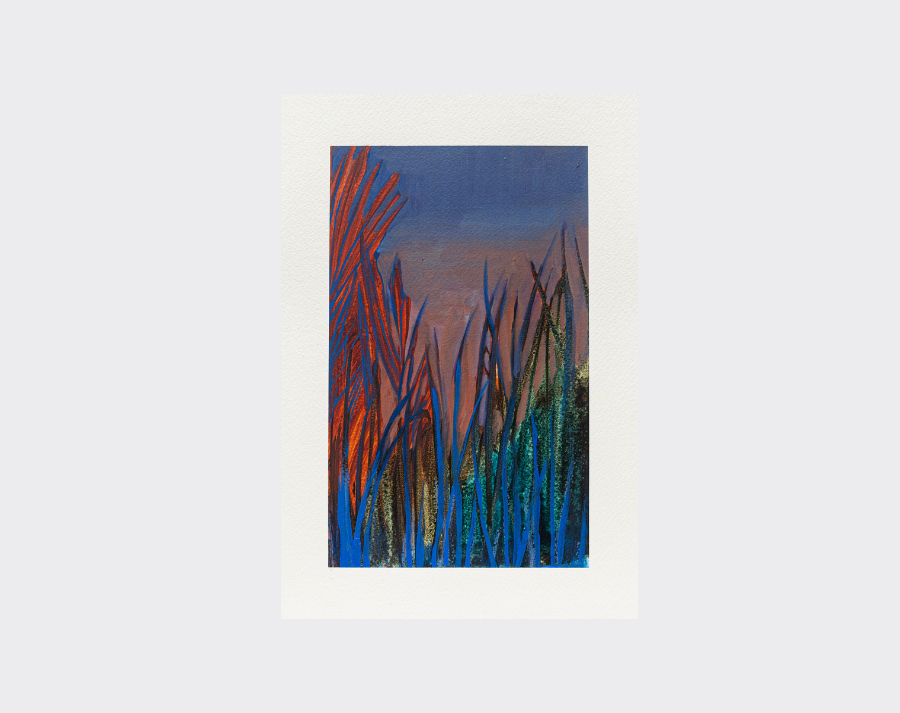
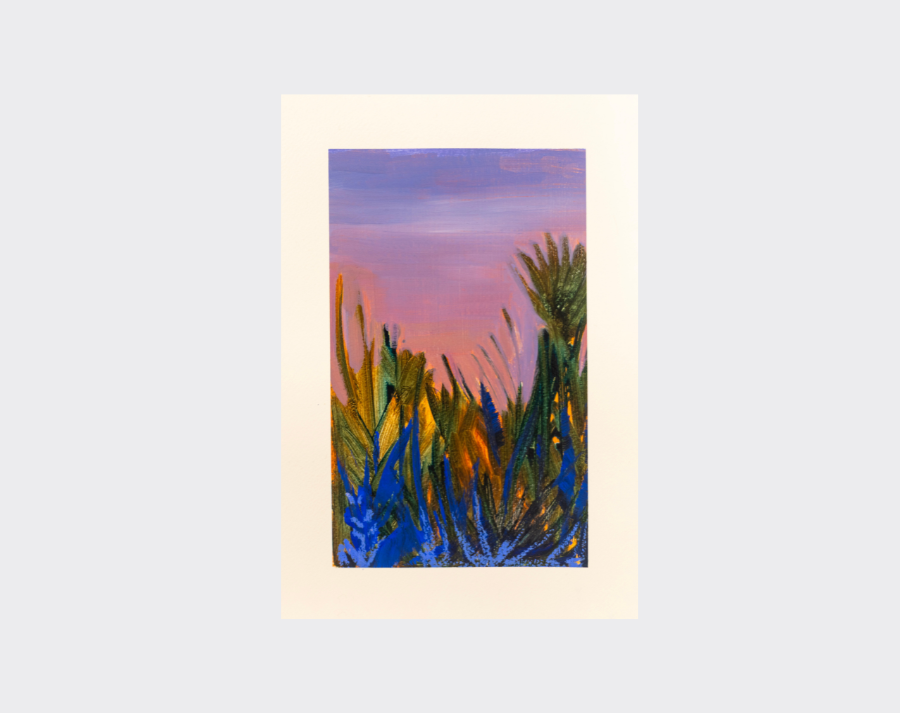
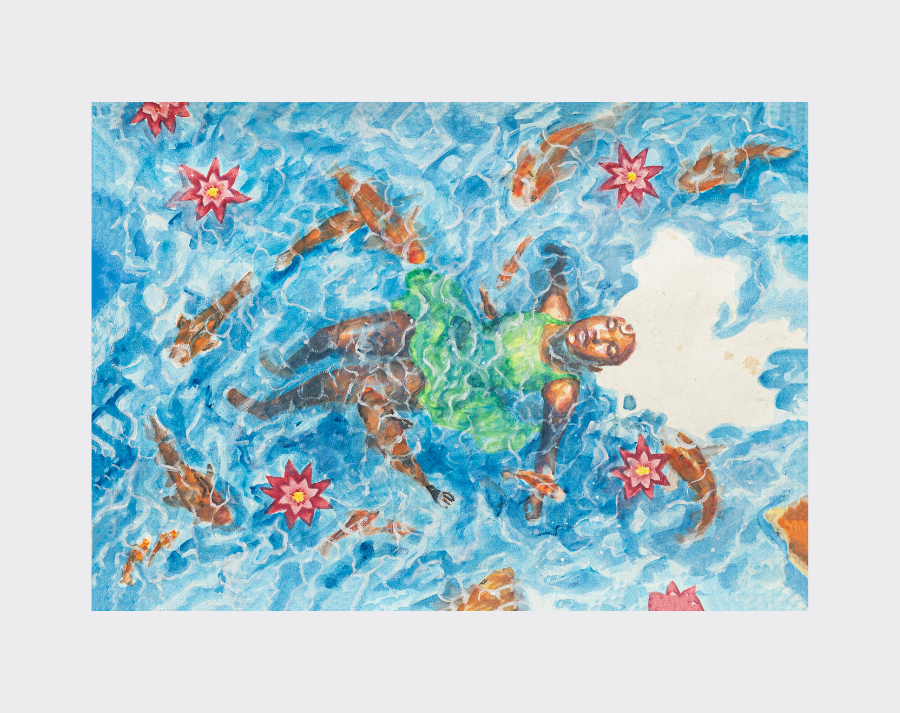
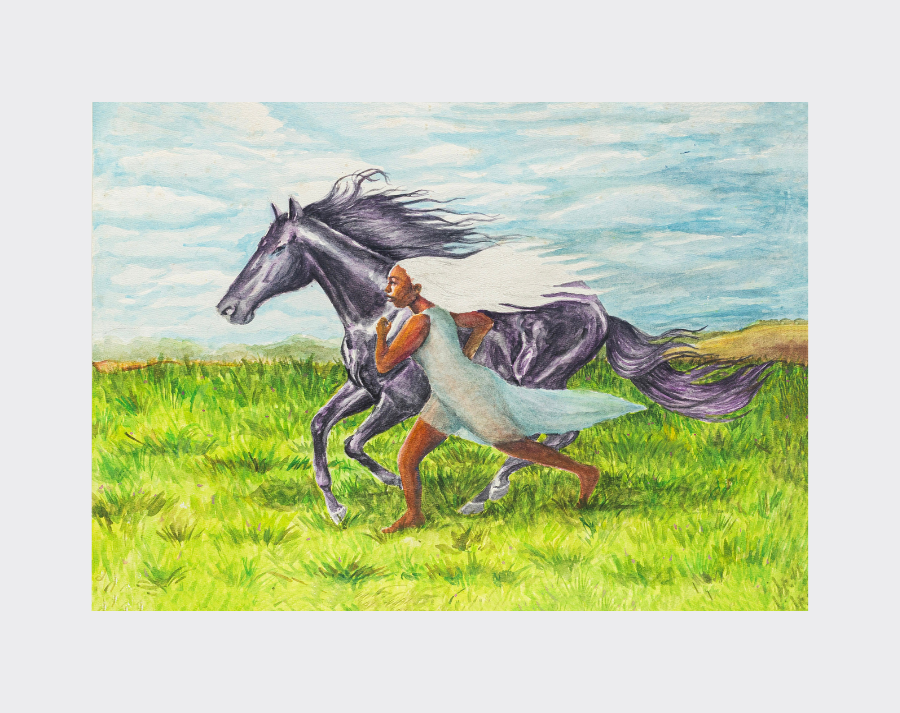
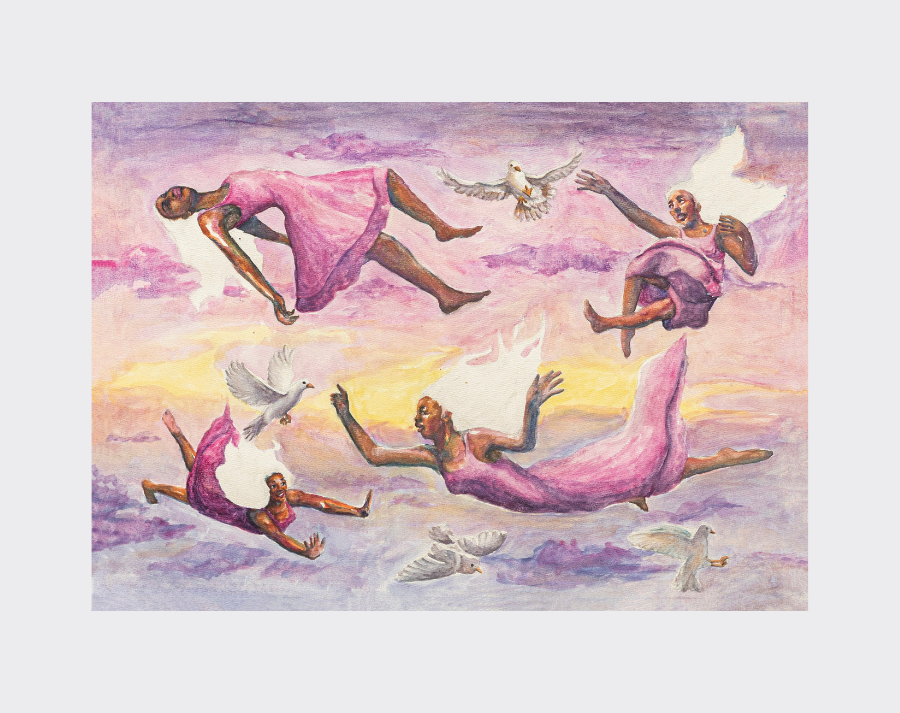
For Carine Mansan, nature becomes a threshold between the visible and invisible. Her mythic figures connect memory, spirituality, ancestry, and the natural world, while her use of blue creates a sense of interconnected temporal and spiritual states.
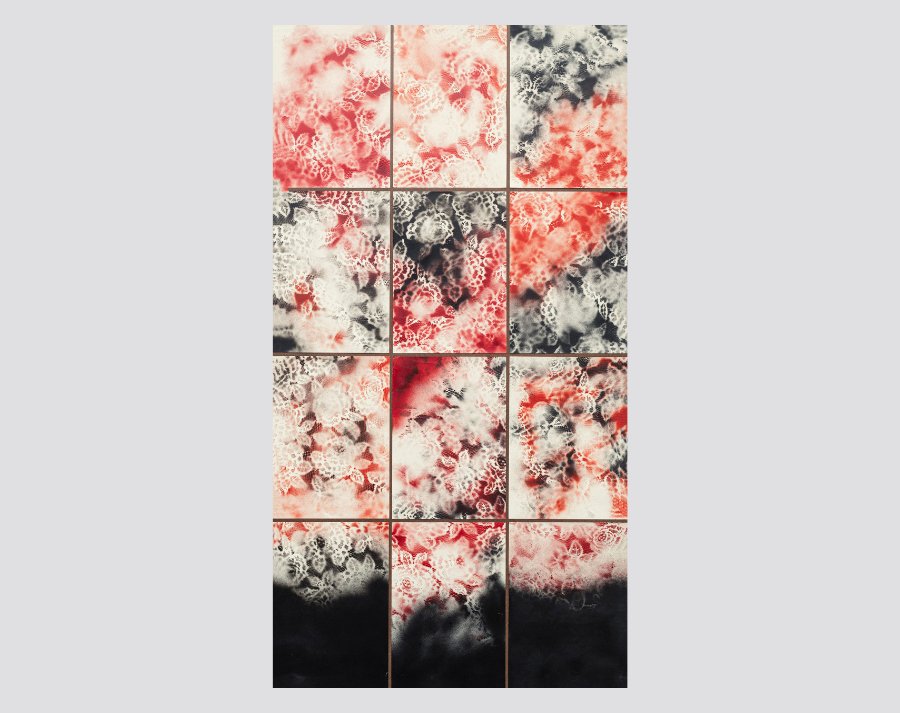
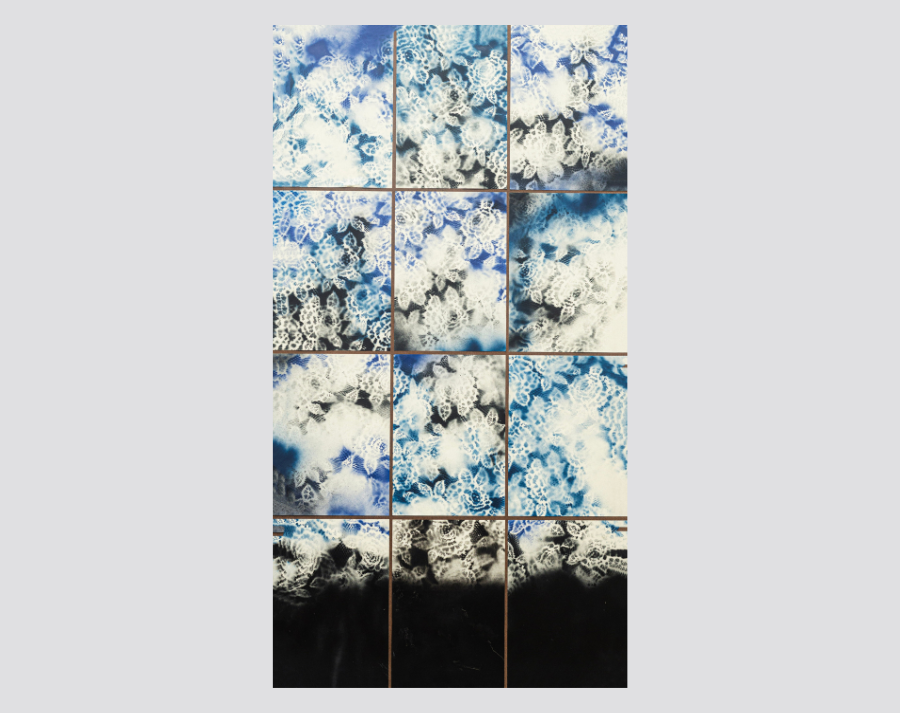
Hamed Maiye explores material history through lace, revealing how a seemingly delicate material can carry histories of extraction, colonial violence, aspiration, and social transformation. Lace becomes an archive in which softness holds traces of difficult histories.
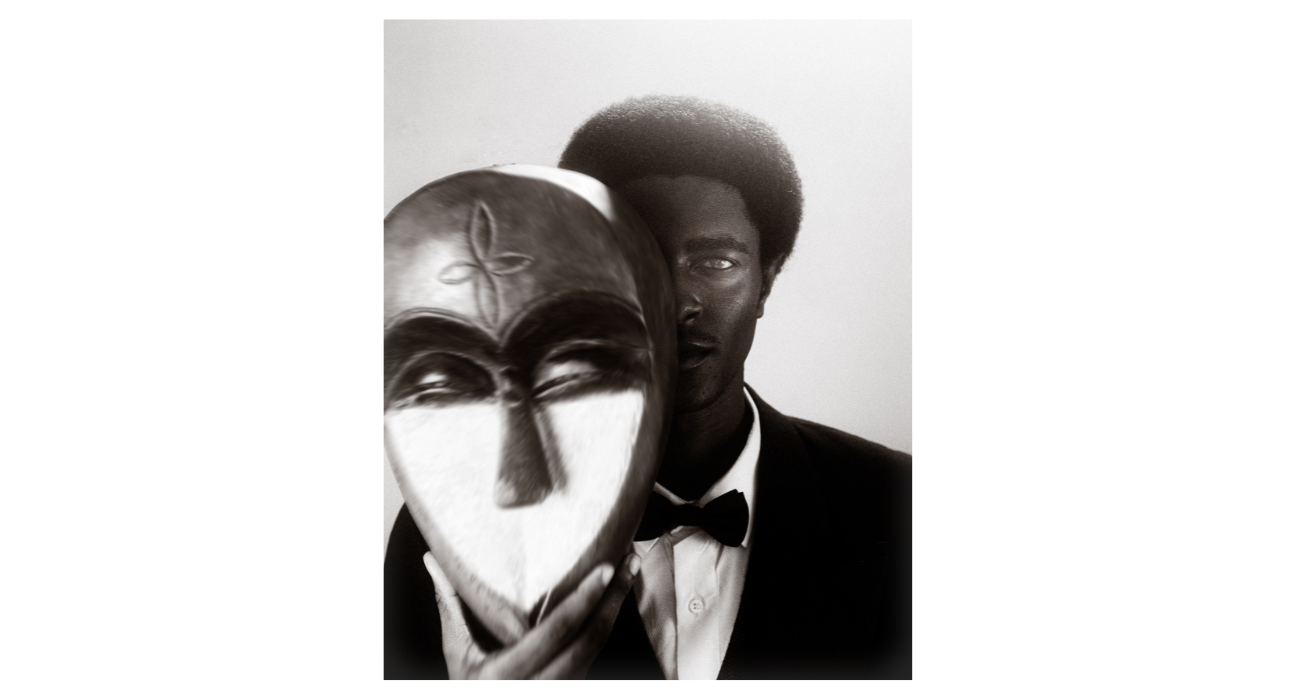
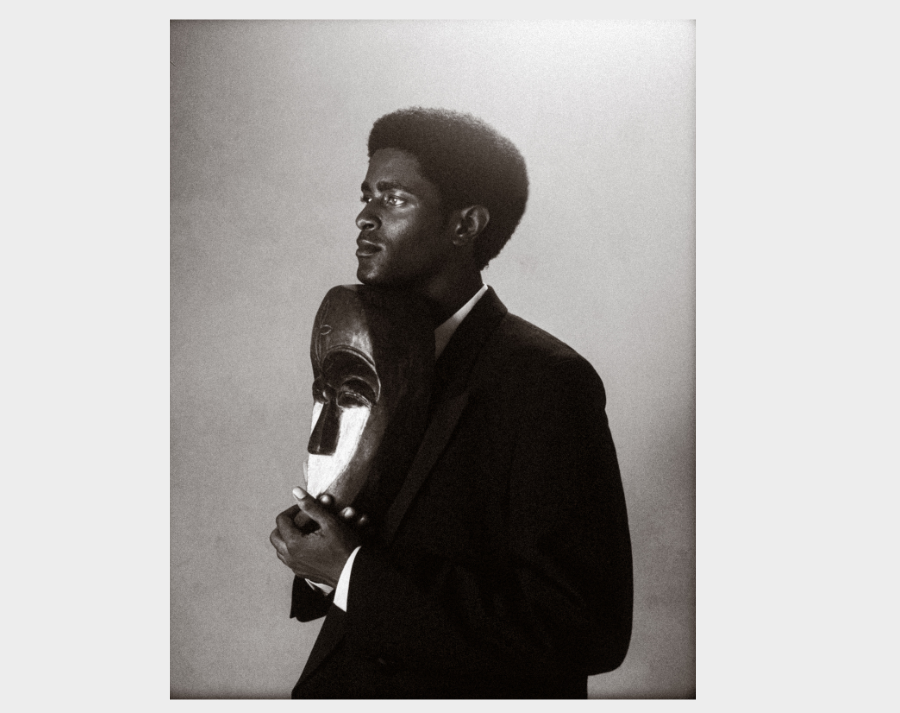
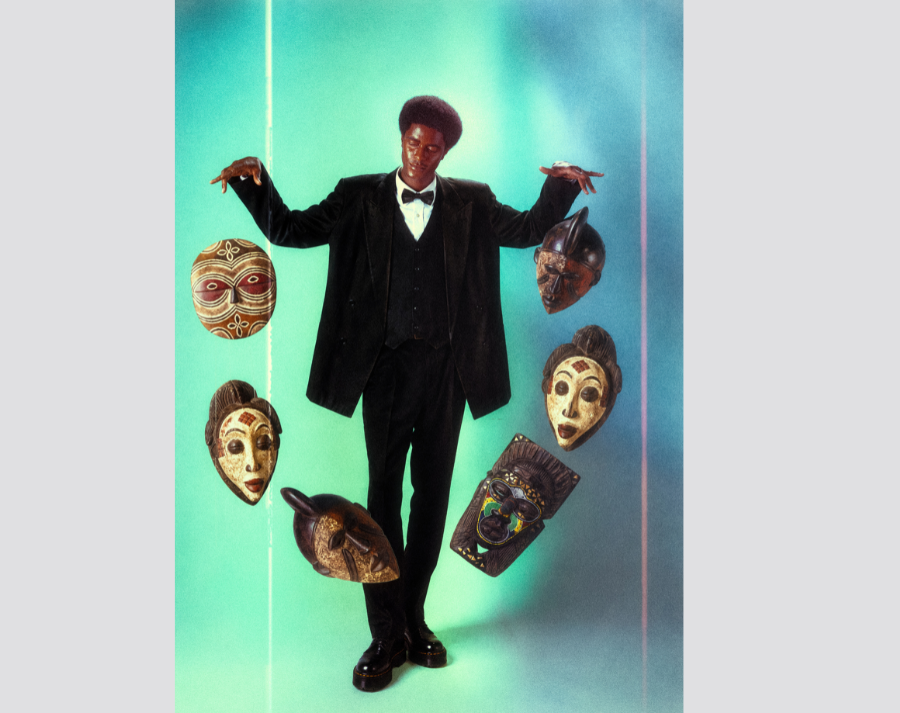
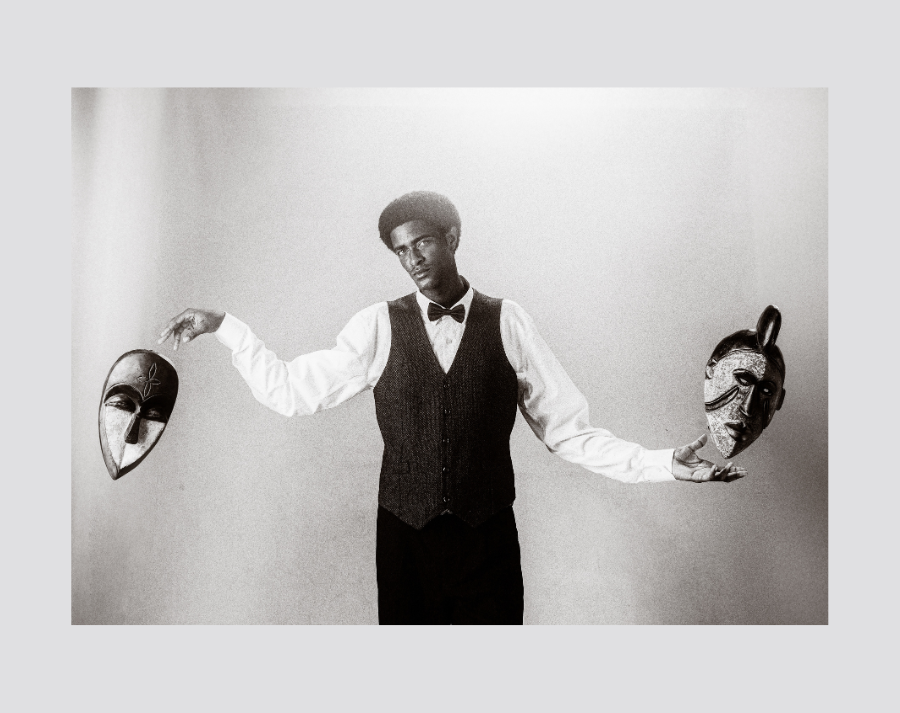
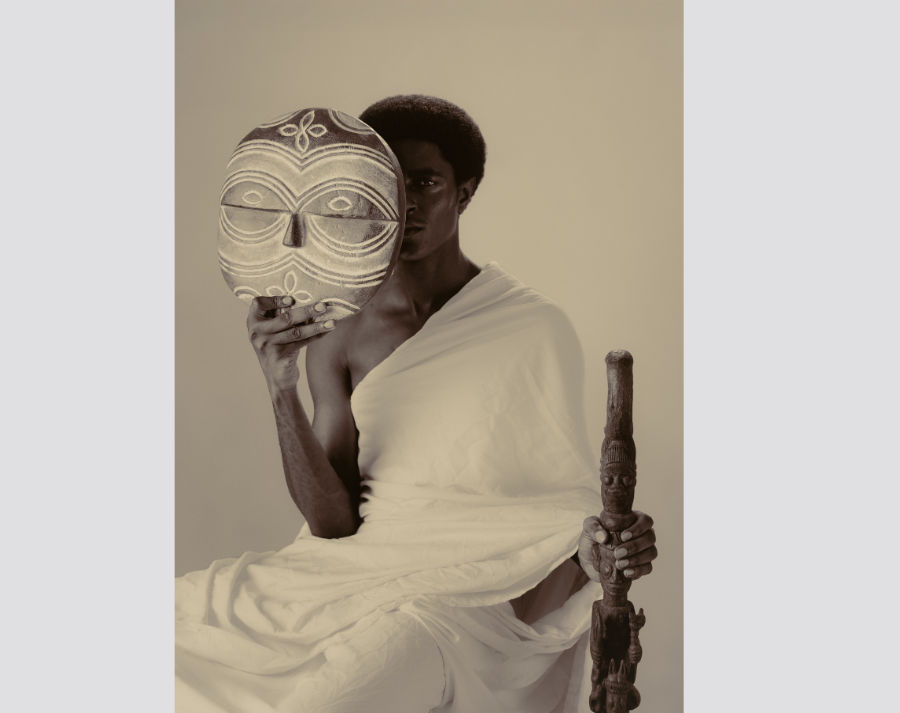
Through photography, Ernest Amabibi's The Craftsman series examines the tension between self-determination and the influence of origins, engaging with questions of identity, inheritance, and becoming while acknowledging visual and conceptual legacies.
Ultimately, Borders & Other Myths proposes that what appears fixed can be temporary, and what appears to divide can reveal deeper connections. The exhibition invites viewers to reconsider who creates the boundaries that shape our understanding of place, identity, and history—and to imagine the stories that exist beyond them.